
Where LLM applications break security and compliance
LLM applications introduce unique risks that traditional security frameworks cannot address. Proper tools are needed to monitor, secure, and enforce compliance across every interaction.

Unmonitored LLM activity
LLMs can access and process sensitive data without oversight, creating gaps in security. Continuous tracking and logging of all LLM activities in real time is crucial to ensure visibility and control over these interactions.

Prompt injection and data exposure
LLM inputs can be manipulated to access or leak sensitive information. Securing inputs and outputs to prevent unauthorized access or unintended data exposure is essential.

Lack of real-time governance
Existing security tools fail to enforce governance for AI systems in real time. Real-time policy enforcement is necessary to meet compliance standards, including SOC2, HIPAA, and GDPR.

Delayed response to vulnerabilities
LLM vulnerabilities often go unnoticed until significant damage occurs. Immediate alerts and incident response are critical for detecting and mitigating risks before they escalate.


Why traditional security misses LLM application risks
Traditional app and infra security were never built to inspect model inputs, outputs, and agent behavior. LLM-powered systems expose visibility and control gaps that standard tooling can't cover.
of production LLM deployments exhibit prompt injection vulnerabilities that could alter model behavior or reveal internal instructions.
of prompt manipulations across tested LLM interactions succeed in bypassing basic safeguards, showing how easily attackers can mislead models.
of enterprise AI agents operate with elevated access to data and services yet nearly half lack dedicated oversight or monitoring of model flows.
of real-world LLM agent attacks result in measurable data exposure during task execution, especially when sensitive contexts are involved.



How runtime security works for enterprise LLM applications
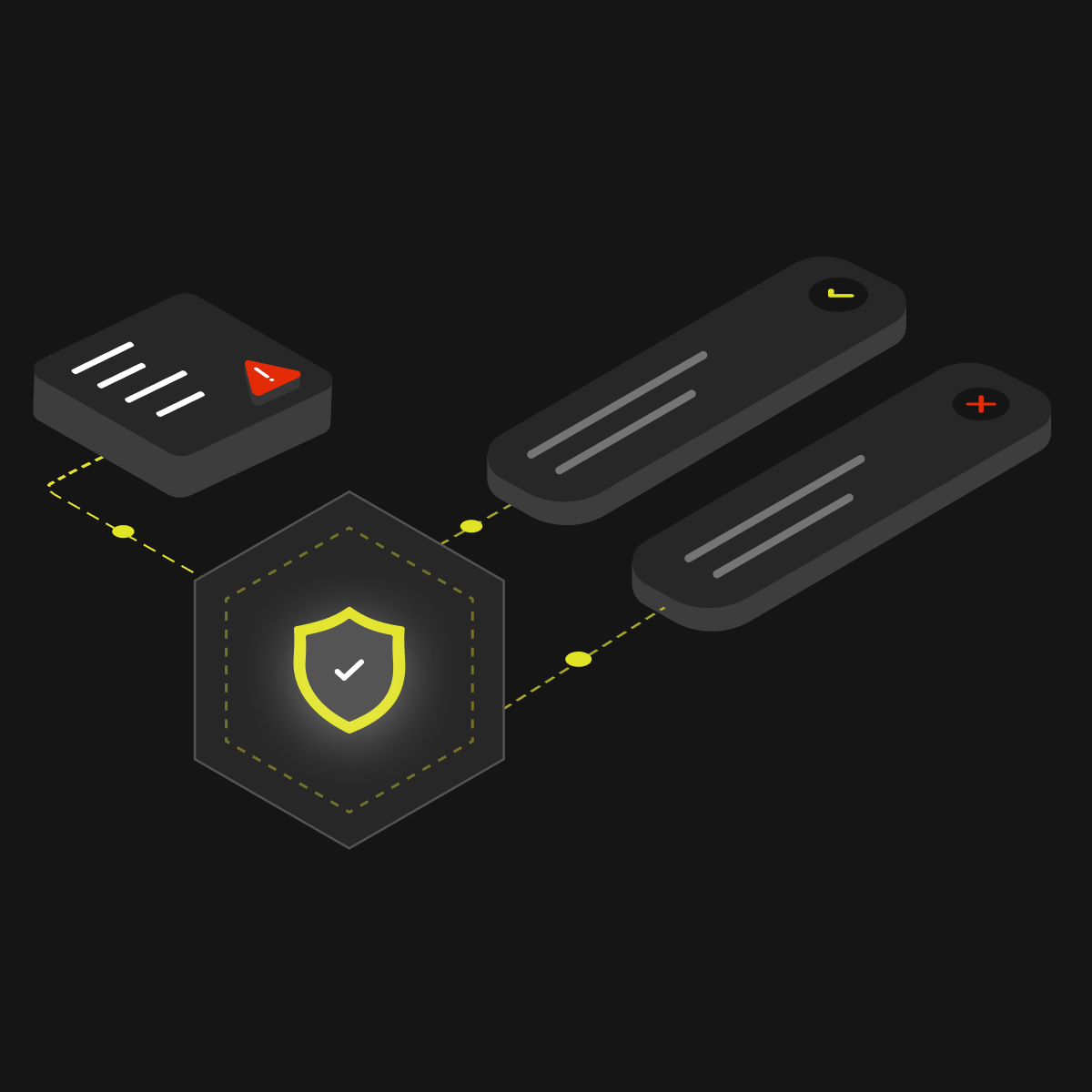
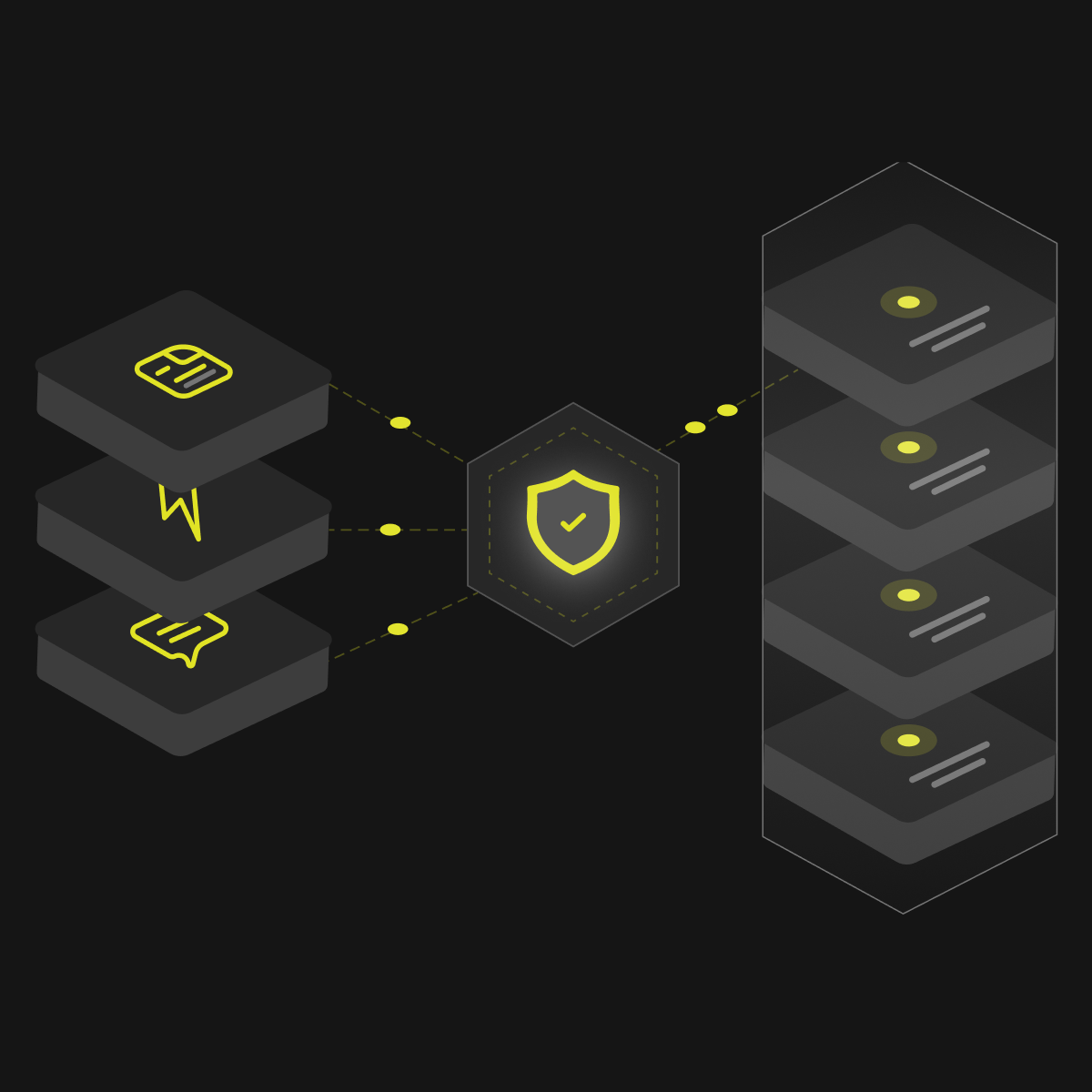
LLM applications create a new attack surface that traditional security tools don't inspect. Enterprise LLM protection must track inputs, outputs, and system behavior in real time to prevent misuse, data leaks, and unauthorized actions. Below are the core capabilities modern runtime LLM security provides:
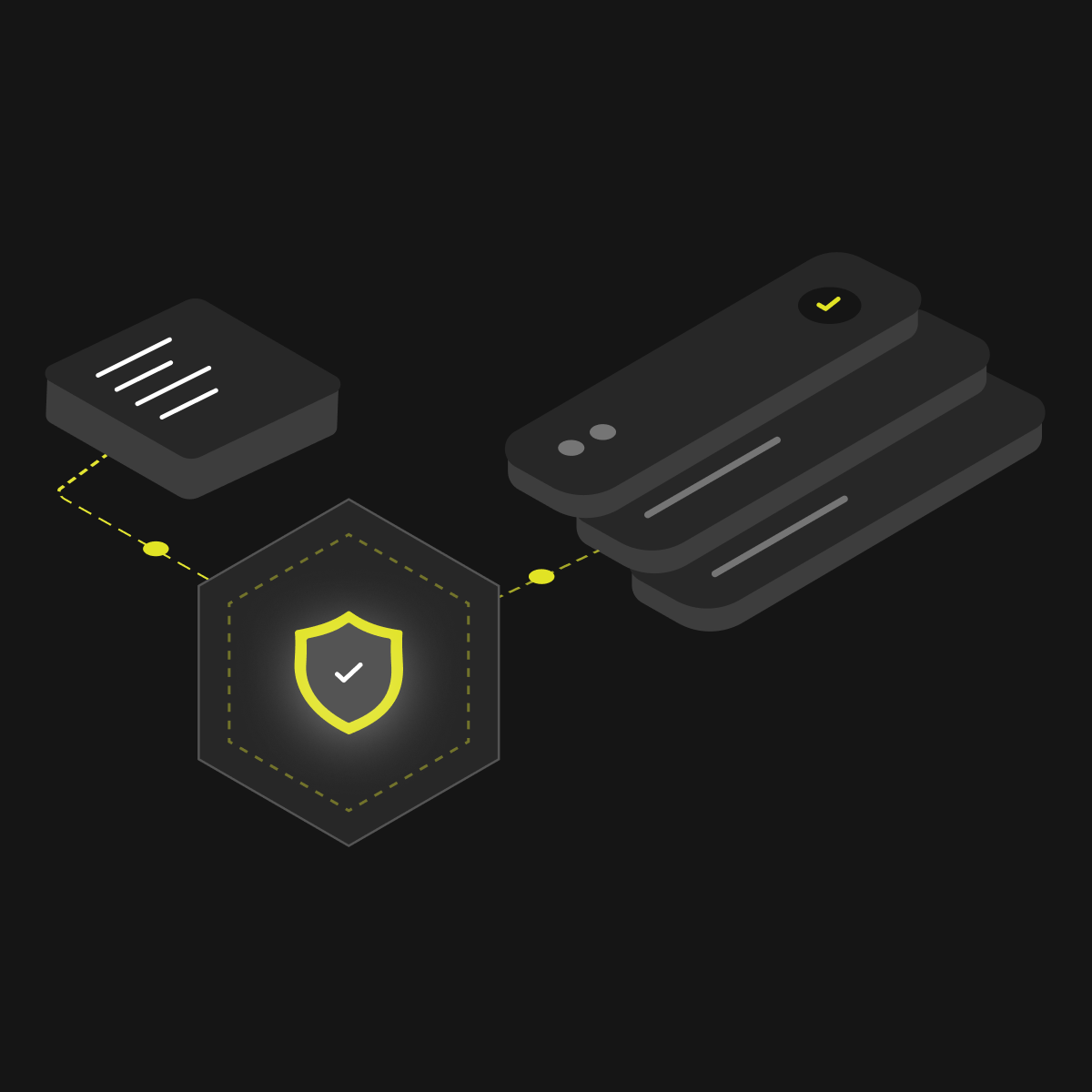
Every prompt and generated response is monitored before it reaches your model or users, catching malicious, unsafe, or unexpected behavior that traditional controls miss.
Enterprise-Ready LLM Security & Governance at Scale
Designed for real production workloads
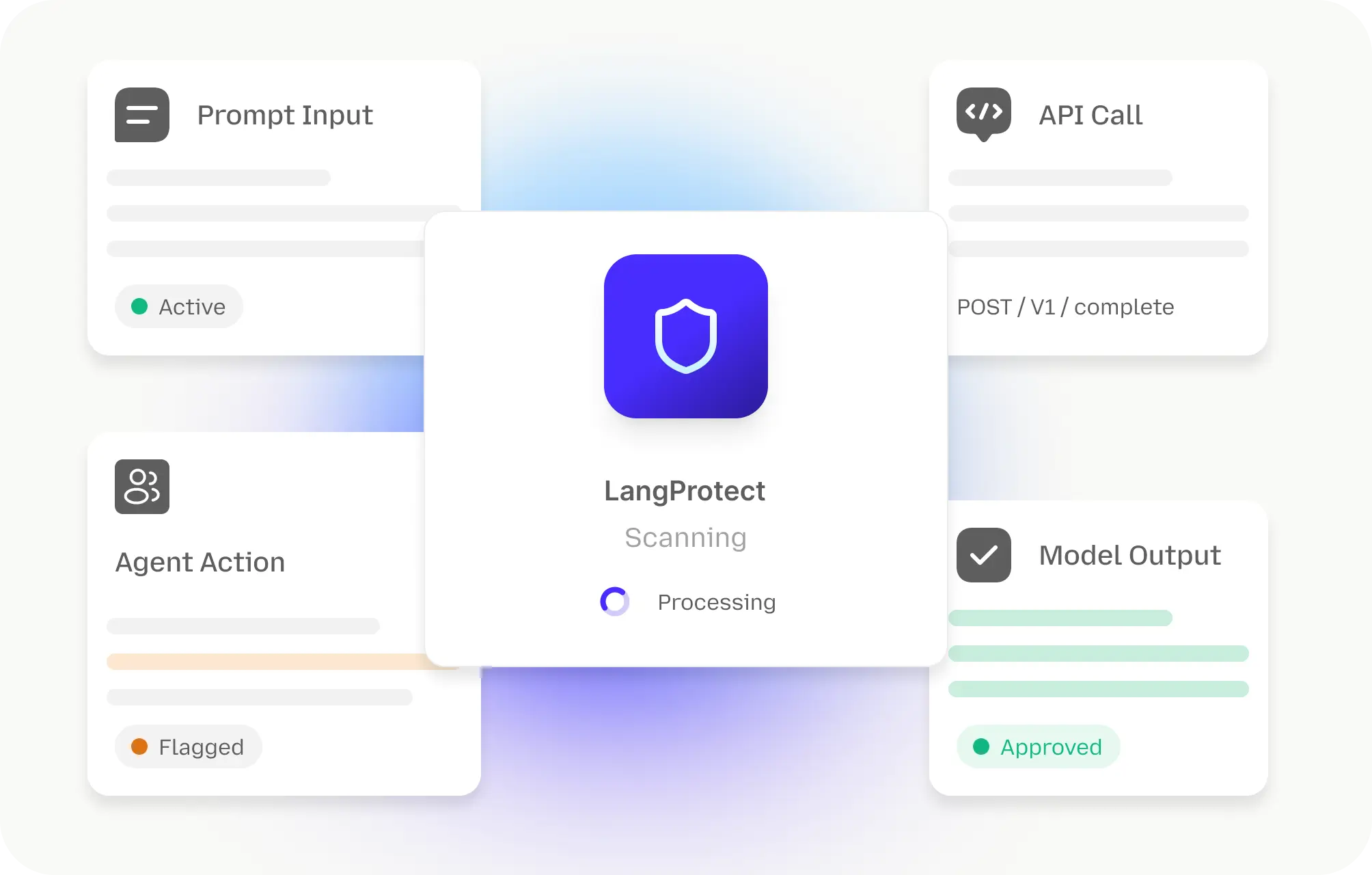
LLM applications must be monitored continuously across all interactions, including prompts, outputs, API calls, and agent actions, to ensure risk visibility and operational control across the organization's AI estate.
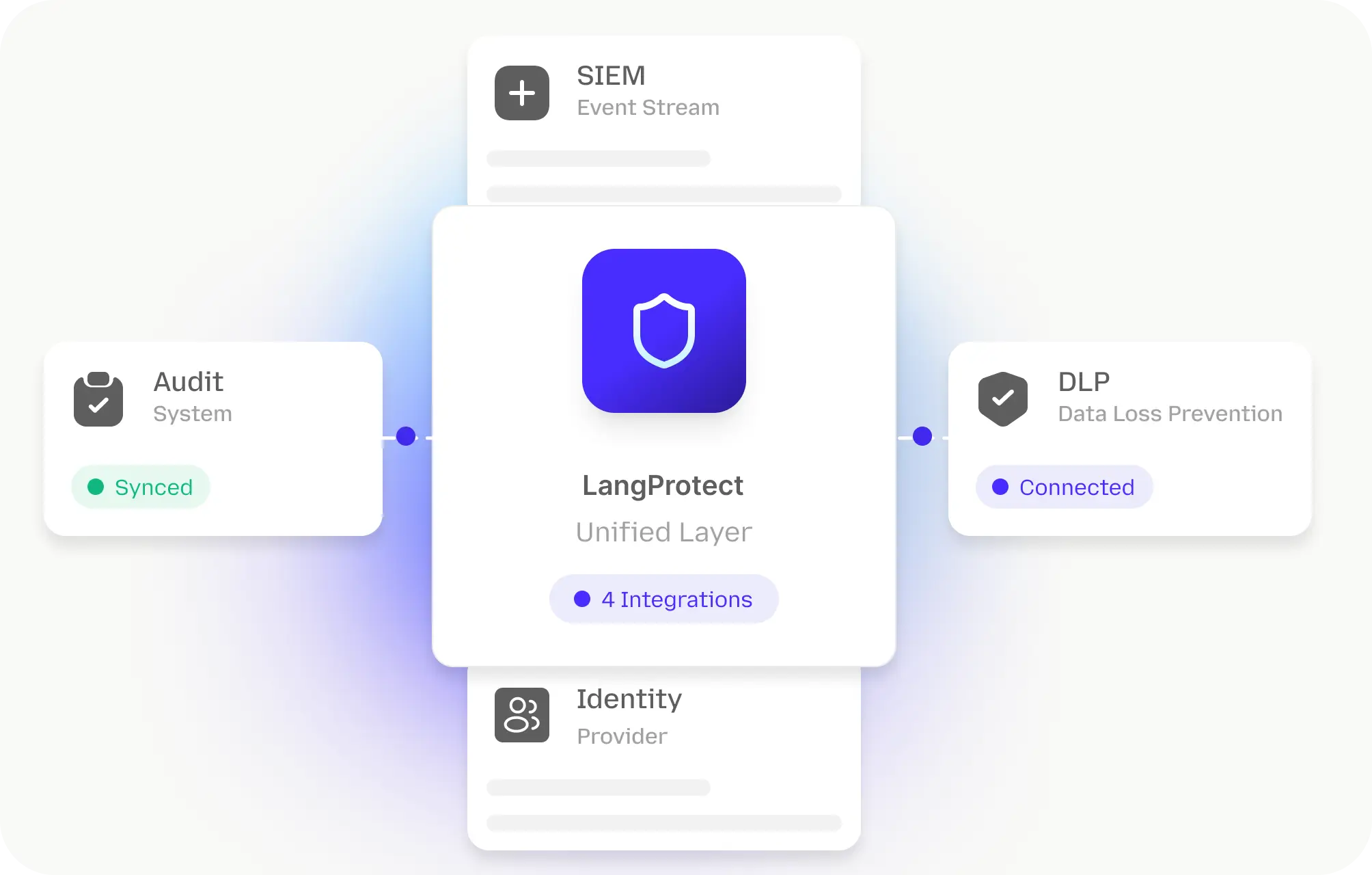
Integrates with your existing security stack
LLM security should tie into existing identity, SIEM, DLP, and audit systems so policy enforcement, access control, and incident data feed into enterprise-wide risk workflows.
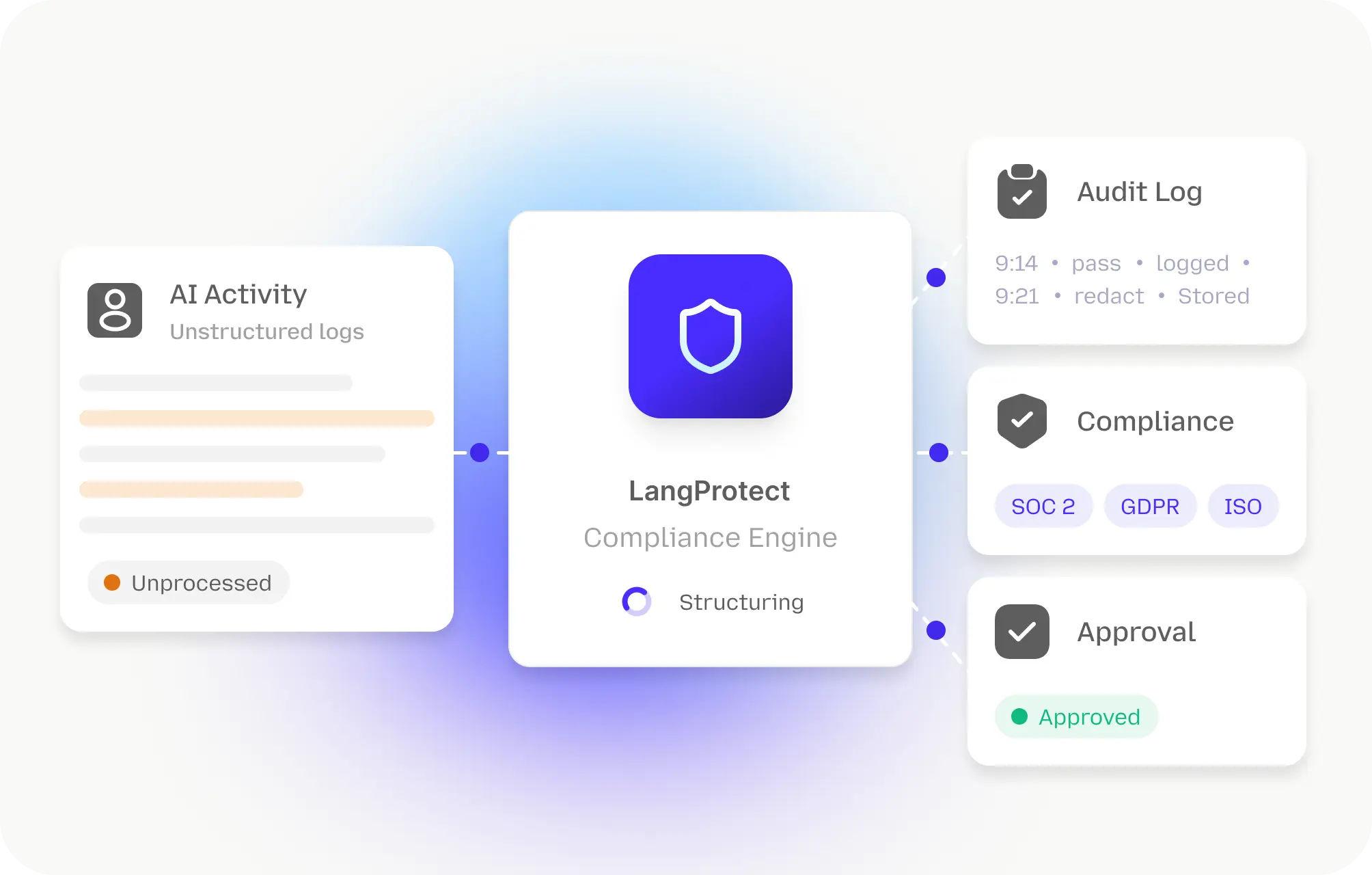
Built for compliance and risk teams
Enterprise LLM systems face unique threats like prompt injection, data exfiltration, and model manipulation. Governance needs real-time policy enforcement and traceability to support regulatory and internal audit requirements.
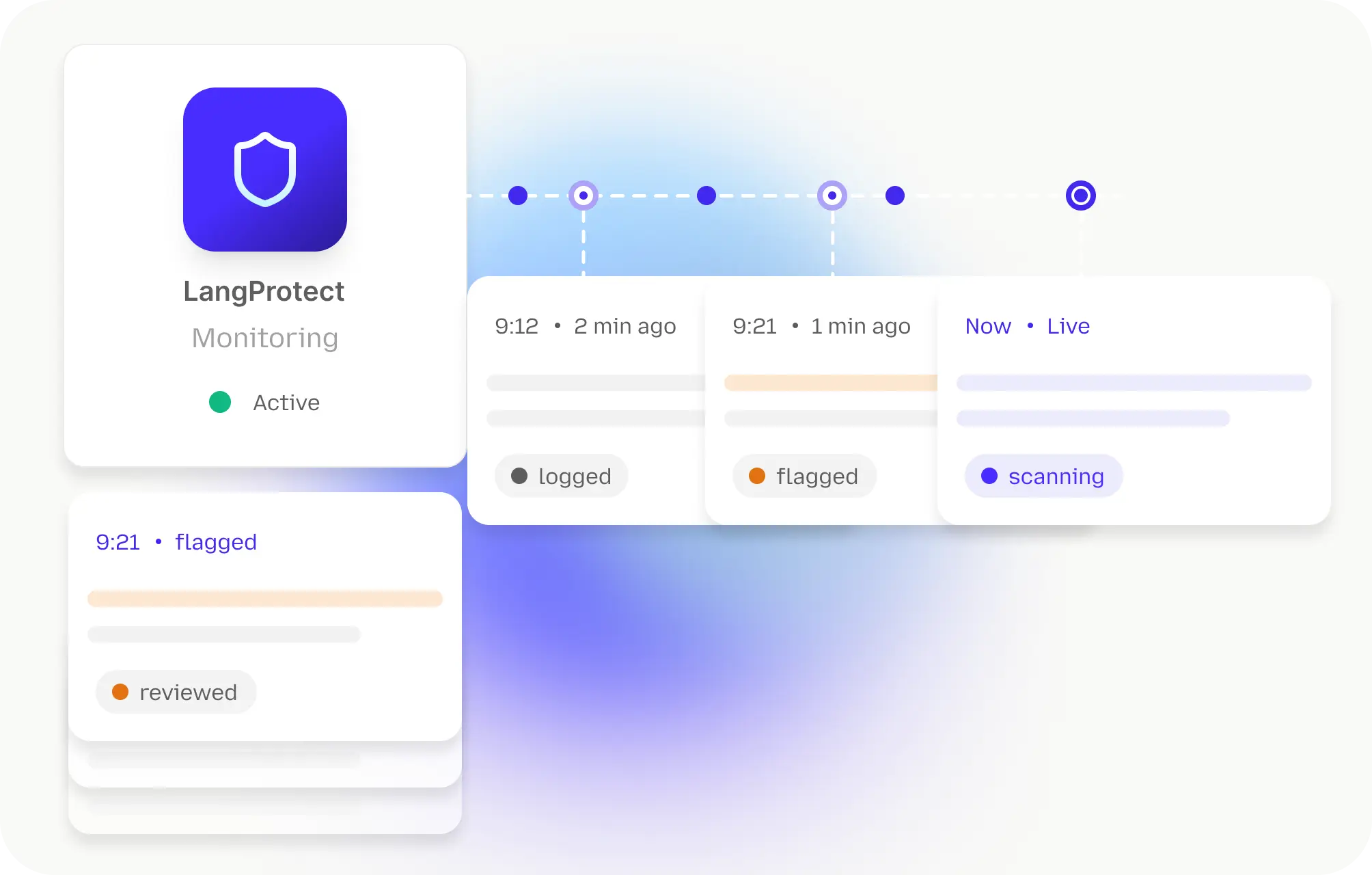
Continuous risk visibility and traceability
Capturing prompt context, model inputs/outputs, and decision paths enables continuous risk assessment, forensic reconstruction, and defensible evidence for governance, compliance, and risk management.
Test Your LLM Security at Runtime
Detect prompt injection, sensitive-data exposure, unsafe responses, and policy violations across your LLM application before they affect users, systems, or enterprise data.